

Veterinary Diagnostics in Roselle, IL: Testing & X-Rays
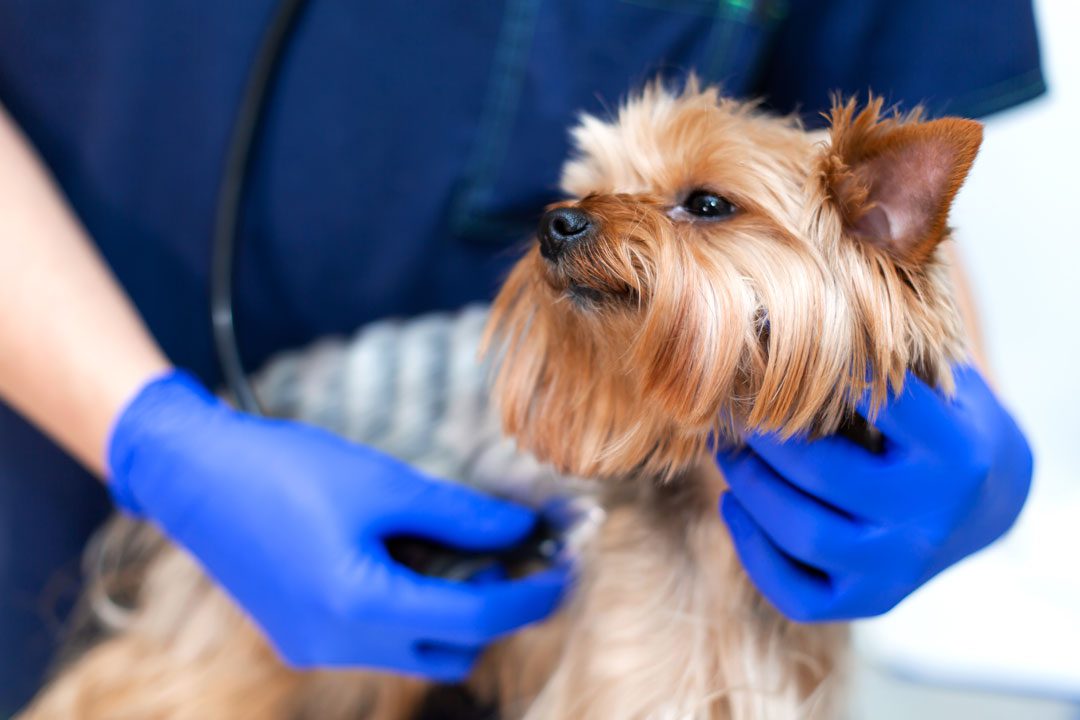
When a pet seems uncomfortable, low on energy, or simply “not themselves,” diagnostic testing helps us move from guesswork to clear answers. At Roselle Animal Hospital, we use in-house laboratory testing and digital radiology to evaluate health concerns efficiently and accurately. These tools allow our team to assess internal changes and begin the right care plan without unnecessary delays.
Whether your pet needs prompt evaluation for new symptoms or routine screening as part of preventive care, our diagnostic services support informed medical decisions. Call (630) 307-2200 or schedule online.
The Role of Diagnostics in Veterinary Care
Pets cannot describe their symptoms, so we rely on physical exams combined with diagnostic testing to understand what is happening beneath the surface. Lab work and imaging provide insight into organ function, infections, injuries, and chronic conditions.
Diagnostic services help us:
-
Identify early signs of illness before symptoms worsen
-
Confirm infections, inflammation, or internal imbalances
-
Assess bone, joint, and soft tissue health
-
Screen for metabolic or endocrine concerns
-
Build precise, evidence-based treatment plans
Access to on-site testing means we often receive results quickly, which supports faster medical decisions.

In-House Veterinary Laboratory Services
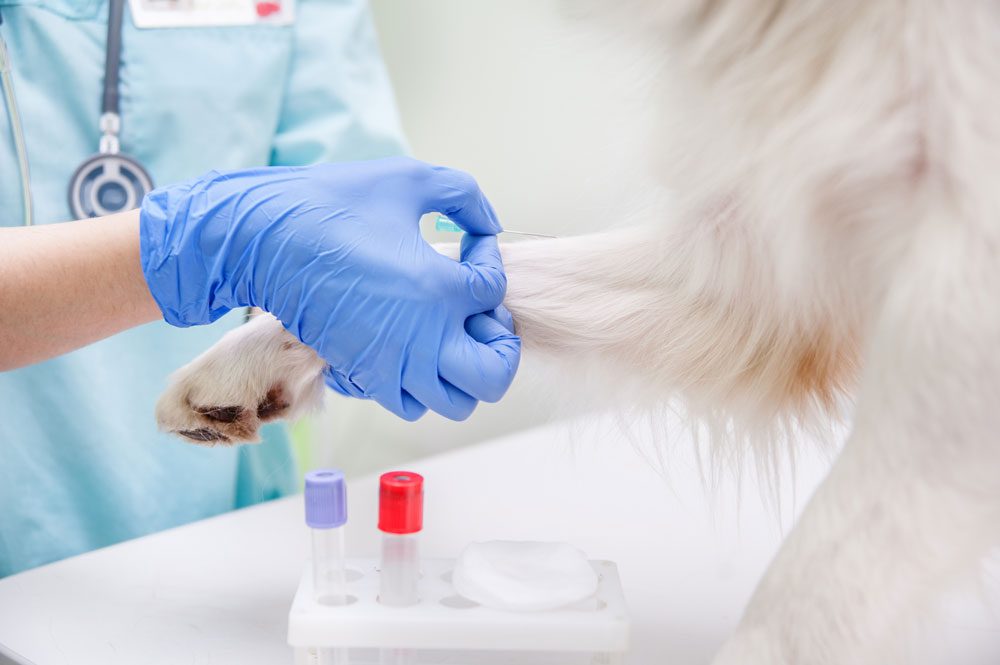
Our on-site laboratory allows many tests to be completed during your visit. This efficiency reduces waiting time and helps us discuss next steps while you are still at the hospital.
Our lab testing capabilities include:
-
Complete Blood Counts (CBC)
Evaluates red and white blood cells and platelets, helping detect infection, anemia, or immune-related concerns.
-
Blood Chemistry Panels
Assesses organ function, including the liver, kidneys, and pancreas, along with blood glucose and protein levels.
-
Urinalysis
Provides information about kidney health, hydration status, and urinary tract conditions.
-
Fecal Testing
Screens for intestinal parasites that may affect digestion and overall health.
-
Electrolyte Evaluation
Measures important minerals in the blood that influence heart, nerve, and muscle function.
-
Heartworm and Tick-Borne Disease Screening
Helps identify vector-borne illnesses that may not show obvious early signs.
We review results with you in clear, straightforward language and explain how findings guide your pet’s care.
Digital X-Rays for Dogs and Cats
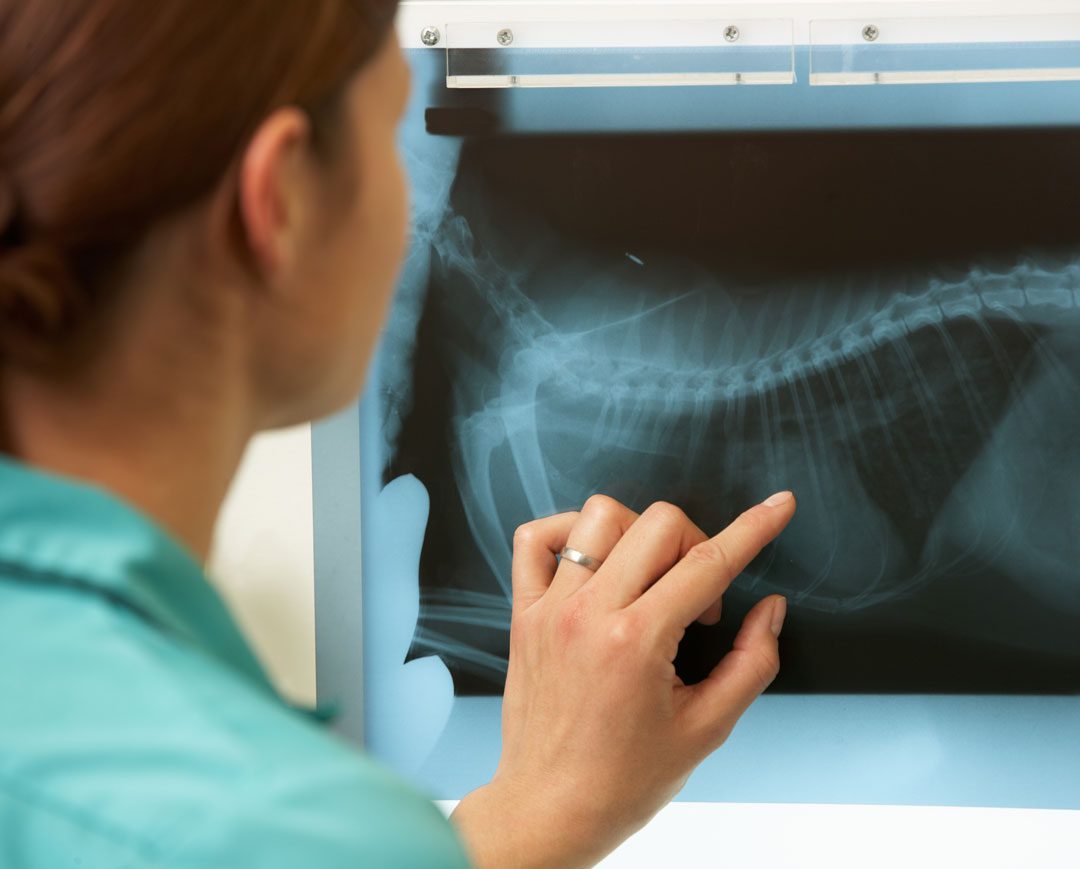
Digital radiography produces detailed images that help us evaluate structures inside the body without surgery. These images support diagnosis, monitoring, and treatment planning.
We use digital X-rays to:
-
Detect bone fractures, arthritis, or joint changes
-
Identify swallowed objects or abdominal abnormalities
-
Examine the heart and lungs
-
Monitor progression of ongoing medical conditions
-
Assist with surgical and dental planning
Digital images appear immediately and can be shared with veterinary specialists when advanced consultation is needed.
Efficient Diagnostic Visits
Timely testing can make a meaningful difference in outcomes, especially when pets show sudden changes in appetite, behavior, mobility, or breathing. Our team works to provide prompt appointments for diagnostic needs and integrates testing seamlessly into your pet’s visit.
If your pet requires lab work, imaging, or follow-up monitoring, contact Roselle Animal Hospital at (630) 307-2200 or request an appointment online.